
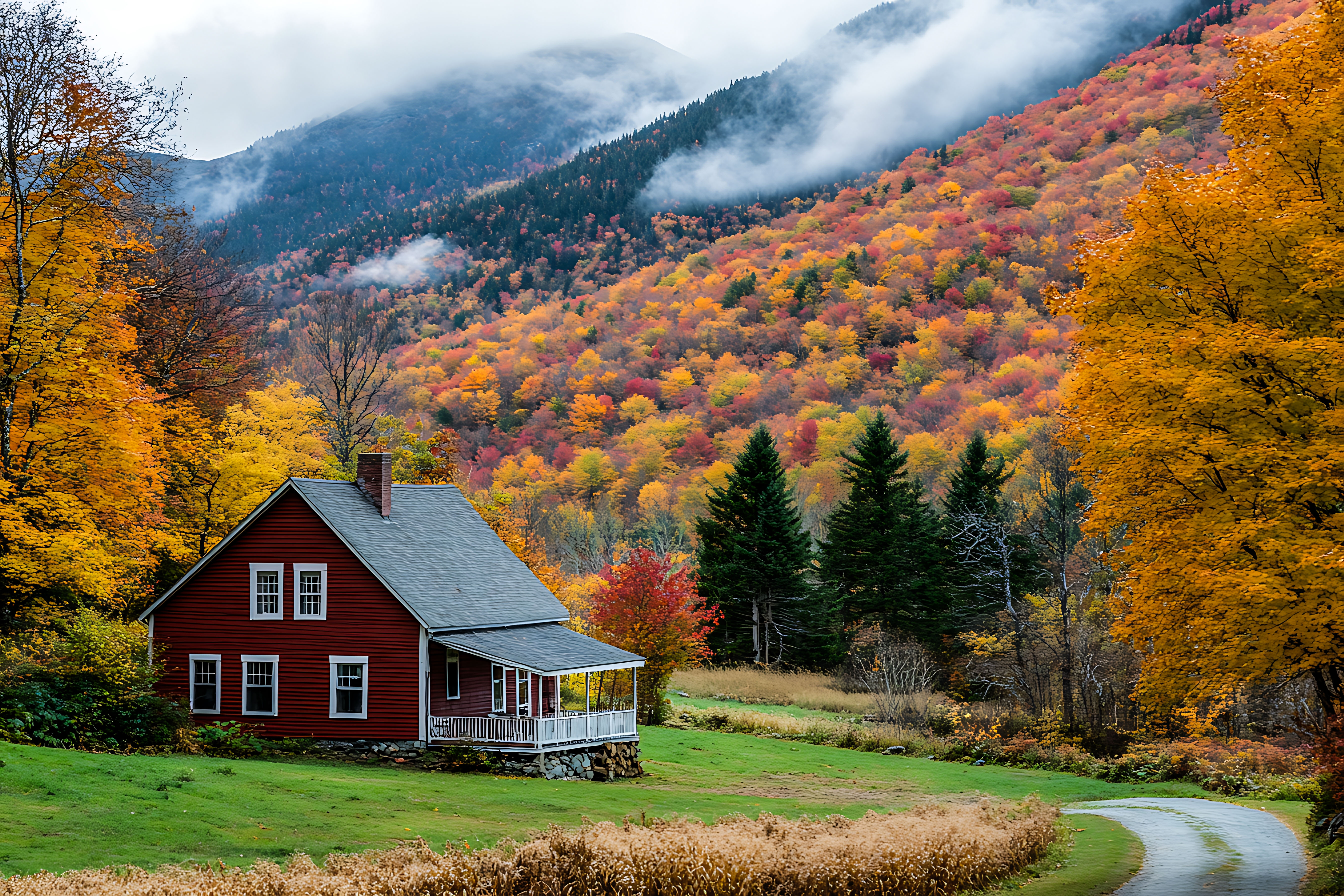
Essential Fall Home Maintenance Tips for Seasonal Protection
Preparing your home for the cooler months is an important step in protecting your property and preventing avoidable damage. Fall offers the perfect window to inspect key systems, address minor issues, and ensure your home stays safe and efficient as temperatures drop. With a bit of proactive work, you can reduce repair costs and keep your property in strong condition.
Seasonal upkeep not only safeguards your home's structure but also maintains long-term value. By staying ahead of potential issues, homeowners can avoid many of the problems that often arise during winter, such as moisture damage, energy loss, and preventable wear to exterior surfaces.
Why Fall Maintenance Plays a Key Role
Your home requires ongoing care throughout the year, but fall is one of the most important seasons for maintenance. As the weather shifts, small issues can quickly grow into larger concerns if left unaddressed. Taking time to review and repair essential components now can protect both your comfort and your investment.
Neglecting maintenance can cause property values to decline and may lead to emergency repairs down the road. Visible wear—such as damaged gutters, deteriorating exterior materials, or cracked pathways—can also raise concerns for appraisers and future buyers. Even if selling isn't in your near plans, early intervention keeps minor problems from worsening over time.
The cost difference between prevention and repair is often significant. For example, clearing gutter debris takes little time and money, while ignoring it may result in extensive water damage. Likewise, repairing a small crack in concrete is far easier and more affordable than addressing structural issues after winter freeze cycles.
Prioritize Drainage and Water Flow
One of the first areas to review during fall is your home's drainage. Proper water management is essential in preventing moisture buildup and protecting your foundation from damage.
Gutters filled with leaves or debris can prevent water from draining as intended. Blocked downspouts may force water to spill over and collect around the base of your home, increasing the chance of water issues over time. Clearing these systems helps keep water moving away from your property.
Fall is also a great time to disconnect unused hoses and shut off outdoor faucets. Taking care of these tasks before freezing temperatures arrive helps reduce the risk of burst pipes during winter.
Though drainage systems may not be the most visible aspect of home maintenance, they play a crucial role in protecting your property’s structural stability.
Evaluate the Exterior Before Cold Weather Sets In
The transition from fall to winter can magnify existing exterior problems. A detailed inspection of the outside of your home will help you identify repairs before harsh weather makes them worse.
Start by reviewing your roof for missing or damaged shingles. Minor roofing issues can escalate quickly once ice, wind, and heavy precipitation arrive. Taking time for a careful inspection now may help prevent costly interior leaks later.
Next, look over walkways, driveways, and steps. Small cracks may seem harmless, but they can expand as water seeps in and freezes. Early repairs help protect these surfaces and reduce long-term damage.
Check Windows and Doors for Energy Loss
Windows and doors are common sources of heat loss during cooler months. Worn seals or gaps along the frames can allow warm air to escape, forcing your heating system to work harder and raising energy costs.
Fortunately, many of these issues are simple to fix. Replacing weatherstripping or applying fresh caulk can make a noticeable difference in comfort and efficiency. These small upgrades not only help maintain consistent indoor temperatures but also reduce the risk of moisture entering your home.
By sealing gaps early, you can help prevent drafts and minimize energy waste throughout the winter.
Take Care of Fall Landscaping
Fall landscaping serves practical safety purposes while also helping maintain your home’s appearance. Proper yard care helps reduce hazards and preserves the condition of exterior systems.
Trim any tree branches that hang over your roof or touch exterior walls. During storms, overhanging limbs can cause damage to roofing materials or other areas of your home.
Additionally, remove fallen leaves from your yard and around key systems. When debris collects in gutters, near HVAC units, or along the lawn, it may affect drainage or airflow. Regular yard care keeps your property looking tidy and functioning properly.
Prepare Interior Systems for Seasonal Use
While much of fall maintenance focuses on the exterior, interior systems also need attention. Preparing your heating equipment early ensures reliable performance once temperatures drop.
Schedule an inspection with an HVAC technician to check for worn parts, dirty filters, or other concerns. Routine maintenance reduces the risk of unexpected system failures during the winter months.
If your home includes a wood-burning or gas fireplace, consider arranging a professional inspection as well. Properly functioning fireplaces improve both efficiency and safety.
Fall is also a practical time to test carbon monoxide detectors and replace batteries. Doing so provides peace of mind and enhances home safety.
Maintain Home Value Through Seasonal Care
Consistent upkeep is one of the best ways to protect your property’s long-term value. Homes that show evidence of regular maintenance often make stronger impressions on potential buyers, while neglected issues can lead to lower offers and extended negotiations.
Whether your goal is reducing energy costs, avoiding surprise repairs, or safeguarding your investment, fall maintenance offers meaningful advantages. By addressing small problems now, you set your home up for a smoother and more efficient winter season.
If you have questions about maintaining your property or need local recommendations for trusted service providers, our team is here to help. We’re always available to offer support as you prepare your home for the colder months ahead.