
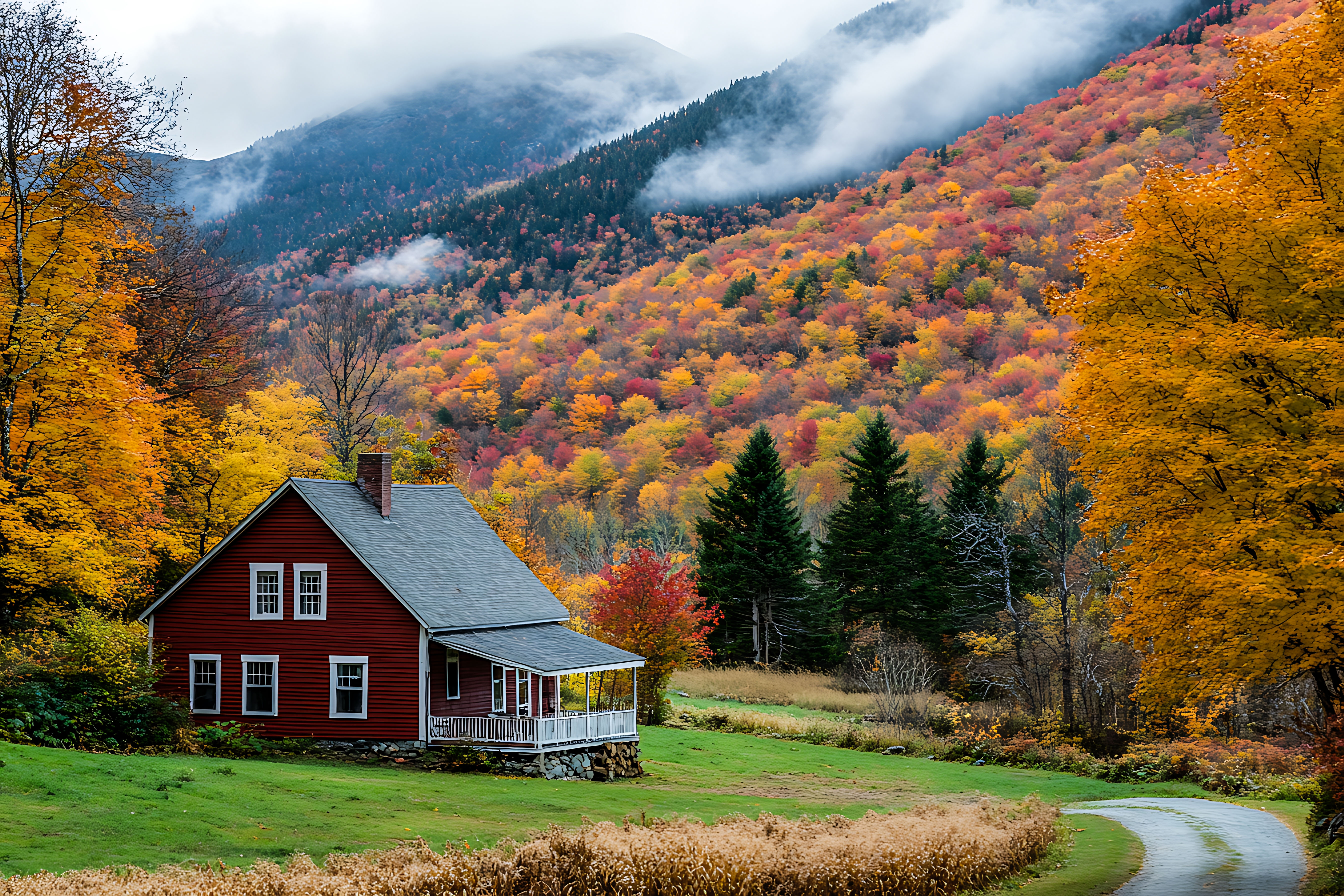
Fall Home Maintenance Tips to Protect Your Property
Fall is an important time for homeowners to prepare their property for the cooler, wetter months ahead. Addressing routine maintenance now can help prevent small concerns from becoming expensive repairs later. A thoughtful seasonal checklist also supports comfort, safety, and the long-term condition of your home.
Whether you plan to remain in your home for years or may eventually sell, proactive maintenance can help preserve its value and reduce avoidable risks.
Why Fall Home Maintenance Is Important
Your property benefits from attention throughout the year, but fall maintenance is especially valuable because it helps prepare the home for changing temperatures and increased rainfall. Neglected repairs can worsen during winter weather, often leading to more extensive work and higher costs.
Deferred maintenance may also affect a property’s appearance and value. Damaged gutters, worn exterior features, and cracked walking surfaces can concern appraisers and prospective buyers. Even when a sale is not on the horizon, addressing visible issues early can help limit further deterioration.
The cost difference between prevention and repair can be substantial. For example, clearing a gutter is generally far less costly than correcting water damage caused by repeated overflow. Likewise, sealing a small driveway crack is often much simpler than repairing damage after multiple freeze-thaw cycles.
Manage Water and Drainage Around the Home
Begin your fall checklist by considering how rainwater moves across and away from your property. Effective drainage is essential to protecting the home’s structure, particularly near the foundation.
Leaves and debris can clog gutters and downspouts, preventing water from flowing as intended. When gutters overflow, water may pool near the foundation and increase the possibility of moisture-related damage. Clean these areas thoroughly and check that downspouts direct water away from the home.
It is also wise to disconnect unused garden hoses and turn off exterior faucets before freezing weather arrives. These straightforward steps can help lower the chance of winter pipe damage. Although drainage work may not be highly visible, it is a critical part of responsible homeowners insurance risk management.
Inspect the Outside of Your Property
Fall weather can magnify existing exterior damage, so a careful visual inspection is worthwhile. Walk around the property and look for signs of deterioration that could become more serious with rain, wind, or fluctuating temperatures.
Pay particular attention to the roof. Missing, loose, or damaged shingles can allow a minor concern to turn into a leak when winter weather arrives. Identifying roof issues early gives you an opportunity to arrange repairs before additional moisture enters the home.
Also examine driveways, sidewalks, and exterior steps. Small cracks may appear insignificant at first, but water can enter those openings and expand as temperatures rise and fall. Taking action before the damage spreads may help protect both the condition and curb appeal of your property.
Seal Drafts Around Windows and Doors
Windows and doors are sometimes overlooked during seasonal preparations, yet worn seals are a common source of heat loss. A draft can make rooms less comfortable while requiring your heating system to work harder.
When warm indoor air escapes through gaps, heating costs may increase over time. Drafty openings can also allow moisture to enter, creating the potential for damage that may not be immediately visible.
Fortunately, many air-leak concerns can be addressed without a major project. Replacing weatherstripping or applying fresh caulk around windows and doors can improve efficiency and comfort. These small updates may also support the protection expected under a well-maintained homeowners insurance program.
Keep Up With Fall Landscaping
Seasonal landscaping tasks serve both practical and visual purposes. Maintaining the yard can reduce potential hazards while helping your home continue to look cared for.
When possible, trim tree branches that hang over the roofline. During storms, overhanging limbs can damage shingles, gutters, and other exterior components. Removing this risk in advance can help protect vulnerable areas of the home.
Fallen leaves should be removed regularly as well. They can collect in gutters, gather around HVAC equipment, and cover the lawn. Excess leaf buildup may interfere with drainage, affect equipment performance, and create avoidable maintenance concerns.
Ongoing yard care helps keep the property orderly while reducing risks that may affect your home. This attention to detail can make a meaningful difference when protecting a major investment.
Prepare Interior Systems for Colder Weather
Exterior tasks are important, but interior systems should receive attention, too. Equipment that has seen little use since spring should be reviewed before it is needed regularly.
Consider having heating equipment inspected and serviced before heavy use begins. An HVAC professional may be able to identify dirty filters, worn parts, or other concerns before they become urgent problems. Early maintenance can support dependable performance during the colder months.
Homes with wood-burning or gas fireplaces should also consider a professional inspection before the heating season begins. Confirming that the fireplace and related components are functioning properly can promote both safety and performance.
Finally, test carbon monoxide detectors and replace batteries as needed. These simple steps can help create a safer, more comfortable environment for everyone in the household.
Protect Long-Term Home Value With Consistent Care
Seasonal upkeep does more than reduce the likelihood of repairs; it can also help preserve your property’s long-term value. Homes that show consistent care often create a stronger impression on prospective buyers and may avoid some concerns that emerge during inspections.
In contrast, visible signs of deferred maintenance can lead to lower offers and additional requests during negotiations. Maintaining the roof, drainage, landscaping, walkways, and interior systems demonstrates that the property has been cared for thoughtfully.
Whether your priority is protecting your investment, improving energy efficiency, or avoiding unexpected repair costs, a fall maintenance plan offers worthwhile benefits. Binger Insurance & Financial Consulting encourages Florida property owners to address small concerns early so they can better safeguard both their homes and their budgets.
If you have questions about protecting your home, would like recommendations for trusted local service providers, or need guidance about homeowners insurance, contact Binger Insurance Services. As an independent insurance broker serving Saint Petersburg and communities across Florida, we are ready to help you evaluate coverage that supports your property and your priorities.