
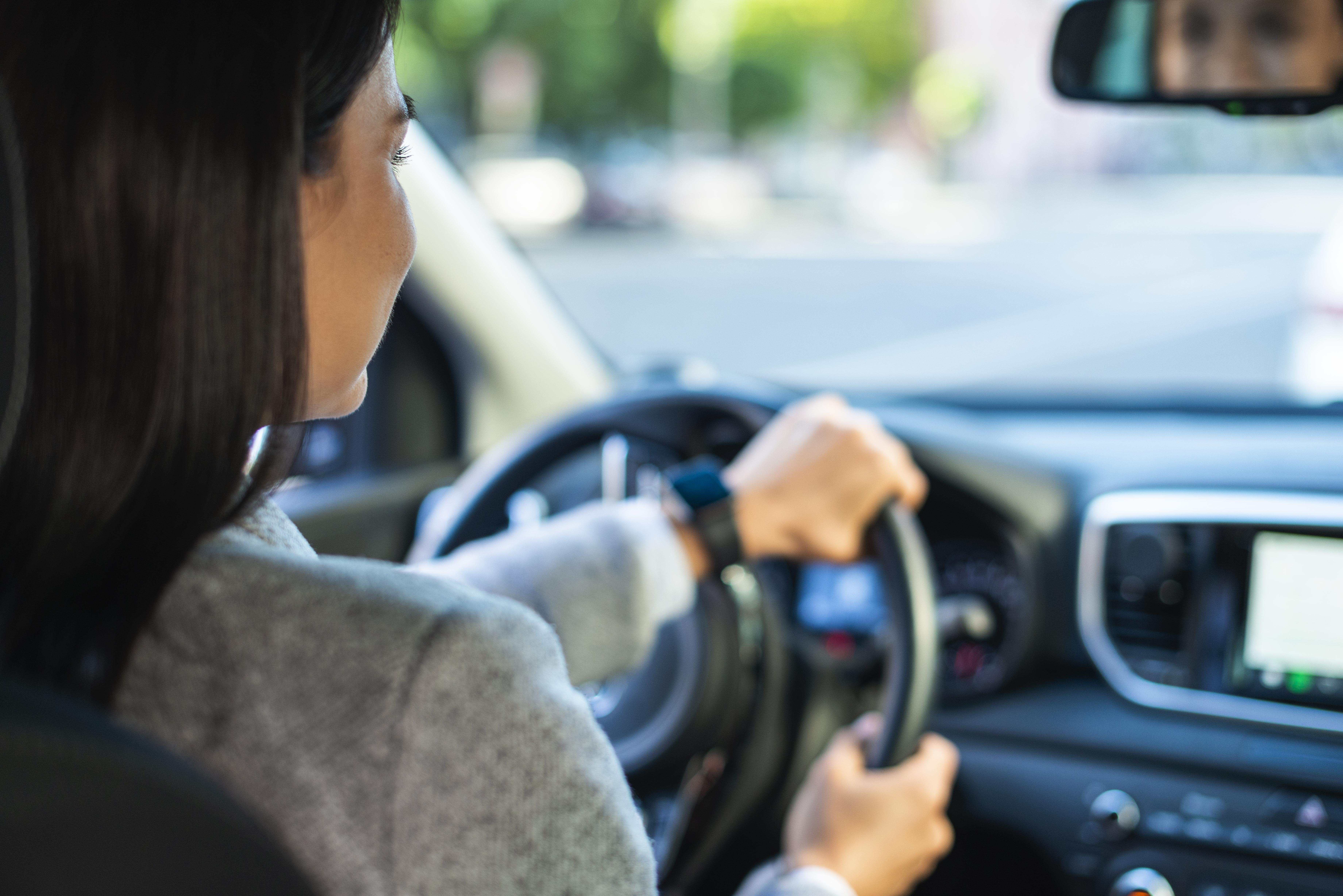
Spring Driving Safety Tips Every Driver Should Know
As temperatures rise and winter conditions fade, many drivers expect smoother and safer travel. However, spring introduces a different set of challenges that can catch even experienced drivers off guard. From shifting weather patterns to increased outdoor activity, this season requires just as much awareness as winter driving. Staying prepared can help you avoid unnecessary risks and keep every trip safer.
Below are six important spring driving safety tips to help you stay alert, protected, and confident on the road.
Be Prepared for Intense Sun Glare
During spring, the position of the sun often creates strong glare during early morning and late afternoon commutes. This glare can suddenly limit your visibility, making it harder to see traffic signals, other vehicles, or pedestrians. Even a brief moment of impaired vision can increase the likelihood of an accident.
To minimize this risk, keep sunglasses within reach and ensure your windshield is clean on both sides. Using your sun visor can also make a noticeable difference. It’s a good idea to reduce your speed during these times of day so you have more time to react if visibility becomes compromised.
Use Caution with Allergy Medications
Seasonal allergies are common in spring, and many drivers rely on over-the-counter medications for relief. While these medications can be effective, some may cause drowsiness, dizziness, or slower reaction times—even those labeled as non-drowsy.
Before getting behind the wheel, take a moment to understand how your body responds to any medication you’ve taken. Review warning labels carefully and avoid driving if you feel tired or unfocused. If you’re unsure, consulting a healthcare professional can help you make safer choices when managing allergy symptoms.
Watch for Increased Wildlife Activity
Spring is an active time for animals, with many species moving more frequently due to migration and mating behaviors. This often leads to more animals crossing roadways, especially during dawn and dusk.
When driving in rural or wooded areas, stay alert and scan the road ahead for sudden movement. Pay attention to wildlife crossing signs and be ready to react if necessary. It’s also important to maintain a safe following distance, as other drivers may brake suddenly to avoid animals.
Share the Road with Pedestrians and Cyclists
As the weather improves, more people take advantage of the outdoors. You’ll likely see an increase in pedestrians, bicyclists, and motorcyclists, particularly in neighborhoods, parks, and busy shopping areas.
These road users can be harder to spot, especially during high-traffic times or when glare is present. Make it a habit to check mirrors and blind spots carefully before turning or changing lanes. Slowing down in populated areas and giving cyclists and motorcyclists extra space can significantly reduce the risk of accidents.
Adjust Driving for Rain and Road Damage
Spring showers can create slick driving conditions, especially when rain first begins to fall. Water mixes with oils on the road surface, reducing traction and making it easier to lose control. In addition, winter often leaves behind potholes that can damage your vehicle or create hazards when hidden by puddles.
When driving in wet conditions, slow down and increase your following distance. Avoid sudden braking or sharp turns, as these can cause your vehicle to skid. If you encounter standing water, drive through it slowly and carefully. When approaching potholes, try to avoid them if possible, and if not, ease off the brake to reduce potential damage to your tires and suspension.
Schedule a Seasonal Vehicle Check
Spring is an ideal time to evaluate your vehicle’s condition after months of winter wear. Cold temperatures, road salt, and rough conditions can take a toll on essential systems, making routine maintenance especially important.
Start by checking tire pressure, as fluctuating temperatures can cause changes in inflation. Inspect your tires for uneven wear or visible damage. Replace windshield wiper blades if they leave streaks or make noise, and ensure all fluid levels are topped off, including oil, brake fluid, and washer fluid. Don’t forget to confirm that all exterior lights are functioning properly so you remain visible to other drivers.
Review Your Auto Insurance Coverage This Season
Even when you take every precaution, unexpected situations can still happen on the road. Spring driving conditions can be unpredictable, making it important to have the right auto insurance coverage in place.
Binger Insurance & Financial Consulting encourages drivers to revisit their policies regularly, especially if there have been changes in driving habits or lifestyle. Ensuring your coverage aligns with your current needs can provide added confidence every time you get behind the wheel.
If you have questions about your policy or want to explore your options, reaching out for guidance can help you stay protected throughout the season.