
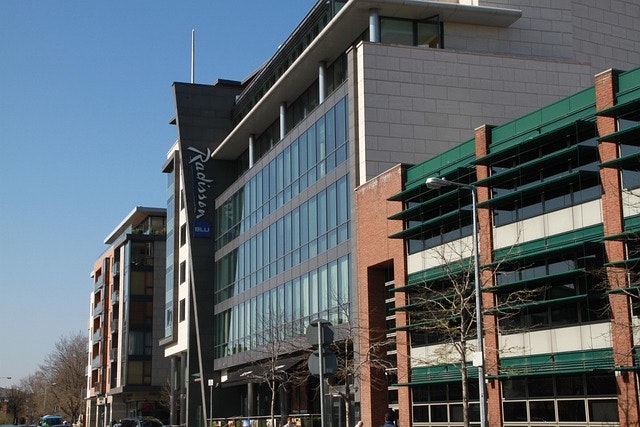
Summer Readiness Tips for Commercial Properties
Preparing a commercial property for summer involves more than routine upkeep. Rising temperatures, heavier building usage, and unpredictable storms can all place additional stress on systems and infrastructure. Taking proactive steps now helps reduce the likelihood of costly disruptions later.
By focusing on cooling systems, electrical capacity, exterior safety, storm preparedness, fire protection, and energy efficiency, property owners can maintain performance and protect long-term value. A thoughtful seasonal strategy also supports tenant comfort and operational continuity.
Get HVAC Systems Prepared for Peak Demand
Cooling systems carry the heaviest workload during the summer months. Without proper maintenance, they can struggle to keep up, leading to higher utility bills, uneven temperatures, and unexpected breakdowns.
Scheduling preventive service ahead of peak heat is a practical first step. Tasks such as cleaning condenser coils, replacing filters, and verifying airflow can significantly improve system efficiency. These measures also help reduce wear and tear when demand is at its highest.
In buildings with multiple tenants, it’s also important to evaluate airflow distribution. Inconsistent temperatures between units may point to imbalances or outdated system settings. Addressing these issues early ensures a more comfortable environment and prevents unnecessary strain on equipment.
Routine HVAC care not only improves day-to-day comfort but can also extend system lifespan and help manage energy costs during high-demand periods.
Evaluate Electrical Systems for Increased Load
Electricity usage typically rises in summer due to cooling systems, lighting needs, and extended operating hours. Systems that perform reliably in cooler months may face additional pressure when temperatures climb.
A seasonal inspection of electrical components is a smart precaution. Panels, transformers, and related equipment should be checked for warning signs like overheating, corrosion, or unusual sounds. Identifying issues early can prevent larger failures during peak usage.
Backup systems should not be overlooked. Generators and emergency lighting should be tested to confirm they are ready in the event of an outage. Power disruptions caused by storms or grid strain can occur without warning, making preparedness essential.
It’s also beneficial to review surge protection measures. Proper safeguards can help prevent damage to sensitive systems during electrical spikes associated with severe weather.
Address Exterior Maintenance and Safety Risks
Outdoor areas play a significant role in both safety and first impressions. Parking lots, sidewalks, and landscaped spaces can become liability concerns if not properly maintained.
Inspect pavement and walkways for cracks, uneven surfaces, or deterioration that could lead to trip-and-fall incidents. Addressing minor defects early can help avoid more extensive repairs and reduce exposure to liability claims.
Landscaping should also be managed carefully during the summer. Trees and shrubs need trimming to remove dead or unstable branches that could fall during storms. Clearing overgrown vegetation can improve visibility and enhance safety throughout the property.
Irrigation systems deserve attention as well. Misaligned sprinklers can create wet, slippery surfaces on walkways, increasing the risk of accidents for tenants and visitors.
Maintaining exterior spaces contributes to a safer environment while preserving a clean and professional appearance.
Prepare for Seasonal Storm Activity
Summer storms can develop quickly and often bring high winds, heavy rain, and potential damage. Preparing in advance can help limit disruptions and protect property assets.
Loose outdoor items such as signage, furniture, and equipment should be secured to prevent them from becoming airborne. Even small objects can cause significant damage under strong wind conditions.
Rooftop systems also require attention. Equipment should be inspected to ensure it is firmly anchored and that mounting hardware is in good condition. Weak or worn fasteners can fail under stress if not addressed.
Clear communication is another important factor. Property managers should review emergency procedures with tenants so everyone understands how to respond during severe weather events.
Taking these steps helps safeguard both the building and the businesses operating inside it.
Confirm Fire Safety and Storage Practices
Higher temperatures can increase the likelihood of overheating equipment, particularly in facilities with heavy operational demands. This makes summer an ideal time to review fire prevention measures.
Fire alarms, suppression systems, and extinguishers should all be inspected to ensure they are functioning properly and meet current safety standards. Routine checks help confirm readiness in case of an emergency.
Storage practices are equally important. Flammable materials should be stored correctly, especially in industrial or warehouse settings where heat can elevate ignition risks. Proper handling reduces the chance of fire-related incidents.
Maintaining strong fire safety protocols protects both occupants and property assets.
Improve Energy Efficiency Where Possible
With energy usage typically increasing in the summer, efficiency improvements can deliver meaningful cost savings. Even small upgrades can make a noticeable difference over time.
Reflective roofing solutions, such as cool-roof coatings, can help reduce heat absorption and lower indoor cooling demands. This can ease the burden on HVAC systems and improve overall comfort.
Upgrading lighting systems is another effective strategy. Energy-efficient fixtures and automated controls help reduce unnecessary usage, particularly during daylight hours.
For older properties, improving insulation can also be beneficial. Better insulation helps maintain consistent indoor temperatures and reduces the workload on cooling systems.
These enhancements not only lower operating costs but also contribute to long-term property performance and value.
Taking a Proactive Approach to Property Protection
Preparing a commercial property for summer does not require a complete overhaul. Focusing on preventive maintenance, system checks, and strategic upgrades can significantly reduce risk and improve reliability.
By addressing potential issues before they escalate, property owners can minimize disruptions, support tenant satisfaction, and maintain the overall value of their investment. A proactive approach ensures that buildings remain functional and efficient throughout the season.
For those seeking additional guidance, consulting with experienced professionals can help prioritize improvements and identify cost-effective solutions. With the right preparation, commercial properties can operate smoothly and efficiently all summer long.